Water resource management and the treatment of industrial and municipal wastewater are among the most important challenges of our time. Population growth, urban development, and industrial progress have significantly impacted the quality of surface and groundwater. Therefore, the use of modern technologies in treatment systems is crucial. These technologies include floating plates , whose special design significantly increases the efficiency of removing suspended solids from water.
In this article, we introduce you to floating petal umbrellas: how they work, their advantages, applications, and important considerations for their selection and maintenance.
What is a floating plate?
Floating sloped slabs are inclined, slab-like units that float in a settling tank or wastewater treatment plant. These slabs are typically made of polypropylene, polyvinyl chloride (PVC), or reinforced polyethylene . Due to their sloped design and large surface area, suspended solids can settle in a significantly smaller volume than in conventional settling tanks.
The main difference between floating and fixed panels is that they are placed on the water’s surface as floating structures , eliminating the need for heavy structures . This simplifies installation and maintenance and reduces construction costs.
How do floating panels work?
The purpose of these screens is to reduce the deposition of suspended particles .
-
Untreated water or wastewater enters the settling tank.
-
Instead of traveling a long distance to the bottom of the pool, the suspended particles settle in the short spaces between the plates.
-
Due to the angle of the plates (usually 60 degrees), settled particles slide easily along the surface of the plates and collect at the bottom of the tank.
-
Clean water flows from the top of the plate.
Therefore, the efficiency of particle separation is significantly higher than in conventional settling tanks.
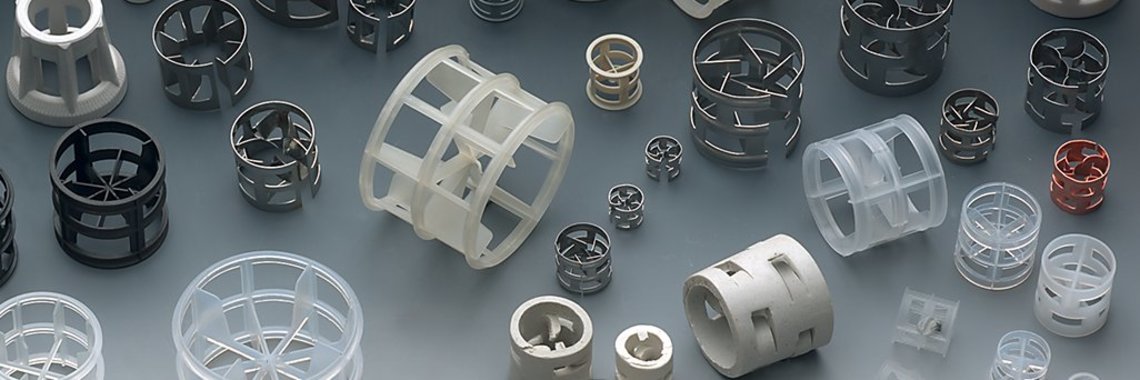
Advantages of using floating panels
The use of this technology can offer many benefits, the most important of which are:
1. Improving sedimentation efficiency
By installing floating plates, the effective sedimentation surface is increased several times, which ensures more efficient removal of suspended solids and increased transparency of the wastewater.
2. Reduction of space requirements
By increasing the effective surface area, the size and footprint of the settling tank could be significantly reduced. In some projects, the space savings reached 80%.
3. Easy installation and maintenance
Paper blocks are ready-made floats that can be easily placed on the water surface and removed from the water when maintenance or cleaning is required.
4. High strength and long service life.
The polymer material used in these panels is highly resistant to corrosion, chemicals , and impact, making it more durable than metal panels.
5. Reducing operating costs
By eliminating complex structures and reducing the size of water tanks, the costs of building wastewater treatment plants are significantly reduced.
Using floating panels
These pages are used in various areas:
-
Municipal wastewater treatment plants: Improving the quality of raw water before filtration.
-
Municipal wastewater treatment: removal of suspended solids in the primary and secondary treatment stages.
-
Mining and metallurgy: for water recovery and sedimentation of solids from waste.
-
Food and dairy industry: for the separation of fats and suspended solids.
-
Petrochemicals and oil refining: Improving the efficiency of oil and solids separation in API and DAF systems.
-
Power plants: improving cooling water quality and reducing plant pollution.
Comparison of floating and fixed panels
| Special feature | floating chips | fixed plate layer |
|---|---|---|
| Fixed | High speed and no bulky design required. | Internal structure is required |
| Save | Simple and portable | It is complicated and requires a complete system shutdown. |
| Acquisition costs | fewer | additionally |
| flexibility | Can be used for multiple tanks. | First draft only |
| Life | higher | in terms of gender and structure |
Important points when choosing a floating screen
When purchasing and installing these panels, please consider the following:
-
Raw material type: It is important to use a polymer that is resistant to UV rays and chemicals.
-
Plate angle: The standard angle is usually 60 degrees, but can vary depending on the type of wastewater.
-
Size and design of the device: should be selected taking into account the tank capacity and water flow.
-
Weight and buoyancy: Devices should be light but robust.
-
Easy to clean: The design should be dirt-resistant and easy to clean.
Maintenance and cleaning of floating panels
To increase the service life and efficiency of these devices, the following points should be considered:
-
Regular inspection: Check the space between the plates for deposits and blockages.
-
Clean regularly: Remove deposits with high-pressure water or a soft brush.
-
To prevent biofouling: Use a pesticide if necessary.
-
Protection against mechanical shock: Do not subject the device to shocks or excessive pressure.
Finally
Floating panels, a new technology in water and wastewater treatment , are an ideal alternative to conventional systems. They increase the sedimentation area, reduce space requirements, and simplify installation and maintenance. In addition to cost savings, these panels significantly improve filtration efficiency and are widely used in various industries, such as municipal water supplies and oil refineries.
Given the global water crisis and the need to improve resource management, the use of technologies such as floating panels could be an important step towards sustainable water management.