Population growth is one of the most significant phenomena shaping the world’s economic, social, and environmental development today. Although population growth rates are lower in many industrialized countries than in developing countries, the concentration of the population in large cities, the diversification of consumption patterns, and the heavy reliance on advanced industries and technologies mean that the environmental consequences of population growth are extremely serious and sometimes alarming. Among the most serious consequences is the exacerbation of various forms of human-caused pollution, such as air, water, and soil pollution, as well as noise and light pollution.
This article first examines population growth trends in industrialized countries, then analyzes the relationship between this growth and the increase in human-caused pollution, and finally addresses the main problems and solutions for reducing its negative impacts.
The concept and characteristics of population growth in industrialized countries
Determining population growth
Population growth refers to the change in population size in a specific area over a specific period and is influenced by factors such as birth rate, death rate, and migration. In industrialized countries, despite typically low birth rates, factors such as high life expectancy and labor migration contribute to population stability and, in some regions, even to population growth.
Demographic characteristics of industrialized countries
Industrialized countries are generally characterized by the following demographic features :
- Declining birth rates and a shrinking youth population
- The number of elderly people is increasing.
- The population is concentrated in large cities and metropolitan areas.
- High consumption of energy and natural resources.
These characteristics mean that even a small increase in population can pose an enormous burden on the environment .
Urban expansion and population concentration
One of the most significant consequences of population growth in industrialized countries is urbanization. Cities, as important centers for the economy, industry, and services, concentrate a large number of people. This population concentration leads to increased demand for housing, transportation, energy, and urban infrastructure, and is directly related to increasing environmental pollution caused by human activities.
Overpopulation in cities exacerbates traffic congestion, increases the consumption of fossil fuels, and leads to more waste. Furthermore, excessive urban sprawl destroys green spaces and reduces the environment’s ability to absorb pollutants.
The role of air pollution and population size
Sources of air pollution
In industrialized countries, air pollution is among the most serious environmental problems . Population growth in cities leads directly to an increase in the number of vehicles, energy consumption, and industrial activity. The main sources of air pollution include:
- cars
- Factories and power plants
- Heating and cooling systems for residential buildings
Consequences of air pollution
Increasing air pollution has far-reaching consequences for human health and the environment, including a rise in respiratory and cardiovascular diseases and a decline in quality of life. In densely populated cities of industrialized countries, these problems are often chronic and long-lasting.
Water pollution and population pressure
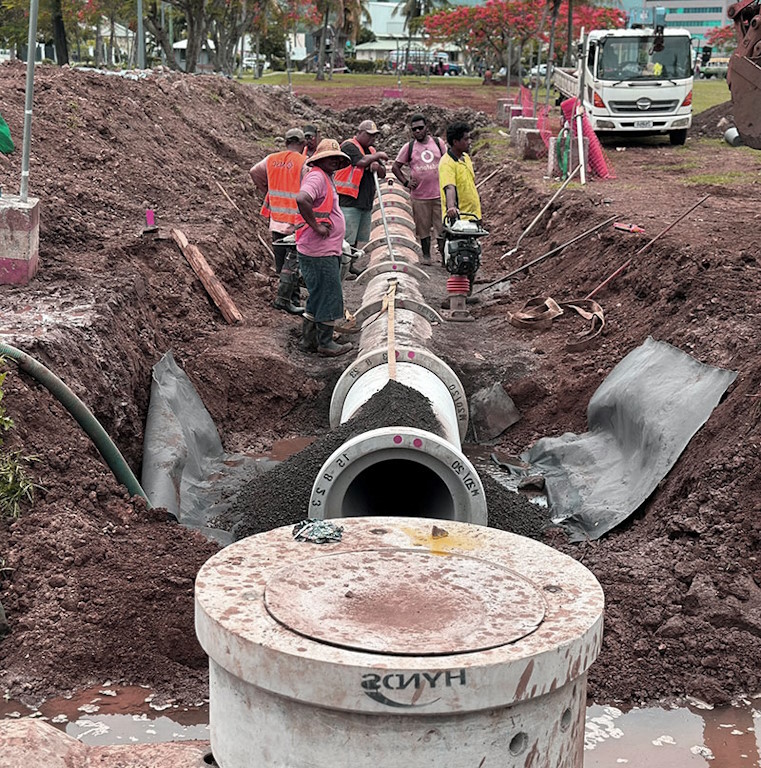
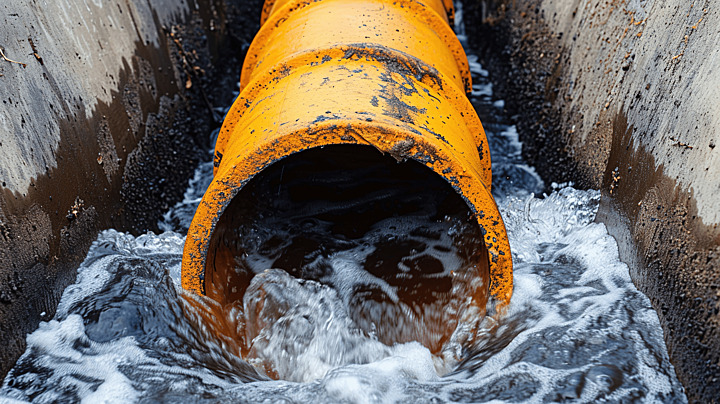
Population growth leads to an increasing demand for clean drinking water. In industrialized countries , high water consumption in households, industry, and agriculture puts enormous pressure on water resources. The discharge of municipal and industrial wastewater into surface and groundwater is a direct consequence of this demographic pressure.
Water pollution degrades drinking water quality, endangers aquatic ecosystems , and increases treatment costs. This is particularly important in densely populated and industrialized areas.
Soil pollution and waste generation
Increased waste production
Due to population growth and changing lifestyles in industrialized countries, the amount of waste in residential areas and industry has increased dramatically. Excessive consumption and the widespread use of plastic packaging and single-use products have significantly contributed to this increase.
Environmental impacts
Improper waste disposal and chemical spills can contaminate the soil and reduce its fertility. This contamination can also seep into the groundwater and cause more serious problems there.
Noise and light pollution
In addition to the well-known environmental pollution, population growth in industrial cities has exacerbated noise and light pollution. Traffic congestion, continuous industrial activity day and night, and the widespread use of artificial lighting negatively impact the mental health of residents.
Noise pollution can cause stress, sleep disturbances and difficulty concentrating, while light pollution can disrupt the natural sleep-wake cycle in humans and wildlife.
The role of consumption patterns in exacerbating environmental pollution
In industrialized countries, consumption patterns contribute significantly to the worsening of human-caused environmental pollution. High consumption of energy, food, manufactured goods, and services leads to increased pollutant production. Despite technological advances, the environmental impact remains substantial due to high levels of consumption.
Problems of management and politics
Carefully coordinated policy measures are needed to curb population growth and reduce human-caused pollution. Key objectives include:
- A balance between economic growth and environmental protection.
- Development of a sustainable urban infrastructure
- Changes in consumer behavior
Without long-term planning, industrialized countries will face increasingly serious environmental crises.
Strategies to reduce the negative consequences of population growth
To address the problems caused by population growth and environmental pollution, various solutions have been proposed:
- Development of an environmentally friendly public transport system
- Use of renewable energies
- Improvement of waste management and recycling.
- Increase in urban green spaces
- Education and cultural development in the field of sustainable consumption
Implementing these solutions could significantly reduce the negative environmental impacts of population growth.
Duff-Suez Canal flotation process for dissolved solids
In conclusion
Although population growth in industrialized countries is lower than in developing countries, high population density, high consumption, and large-scale industrial activity have significant environmental impacts. Among the most noticeable consequences of this development are increasing air, water, and soil pollution, as well as noise and light pollution.
Addressing these challenges requires a comprehensive and sustainable strategy that balances population growth and economic development on the one hand, and environmental protection and human health on the other. The future of industrialized countries depends significantly on their ability to successfully maintain this delicate balance.