With population growth and urban development, the amount of domestic, industrial, and agricultural wastewater has increased significantly. Proper wastewater management not only prevents water and soil pollution but also plays a crucial role in protecting human health and the environment. Septic tanks are a simple, effective, and cost-effective solution for primary wastewater treatment.
Septic tanks are widely used in various settings, especially in buildings not connected to the municipal sewer system . In this article, we explore their operation, benefits, types, functions, and role in wastewater treatment.
What is a septic tank?
A septic tank is an underground wastewater treatment system commonly used in homes, villas, small buildings, and even industrial warehouses. This tank initially collects and purifies wastewater, separating solids from liquids and facilitating its disposal into the environment.
The main components of a septic tank
-
Storage tanks: Collect incoming wastewater and separate it into solid and liquid components.
-
Deflector: Prevents solid particles from entering the outlet directly.
-
Inlet and outlet pipes: The wastewater enters the water tank through the inlet pipe and is discharged through the outlet pipe after partial treatment.
-
Vents: Prevent the accumulation of toxic and explosive gases such as methane.

How do septic tanks work?
The cleaning process in septic tanks is carried out by physical and biological processes (anaerobic bacteria):
-
Settling of solids: When wastewater enters the tank, heavier solids settle to the bottom of the septic tank and form sludge.
-
Fat flotation: Lighter fats and oils remain on the surface.
-
Biological degradation: Anaerobic bacteria in wastewater decompose some of the organic matter into gas and sludge.
-
Wastewater discharge: The relatively purified residual liquid flows through the outlet pipe into the absorption well or secondary filter.
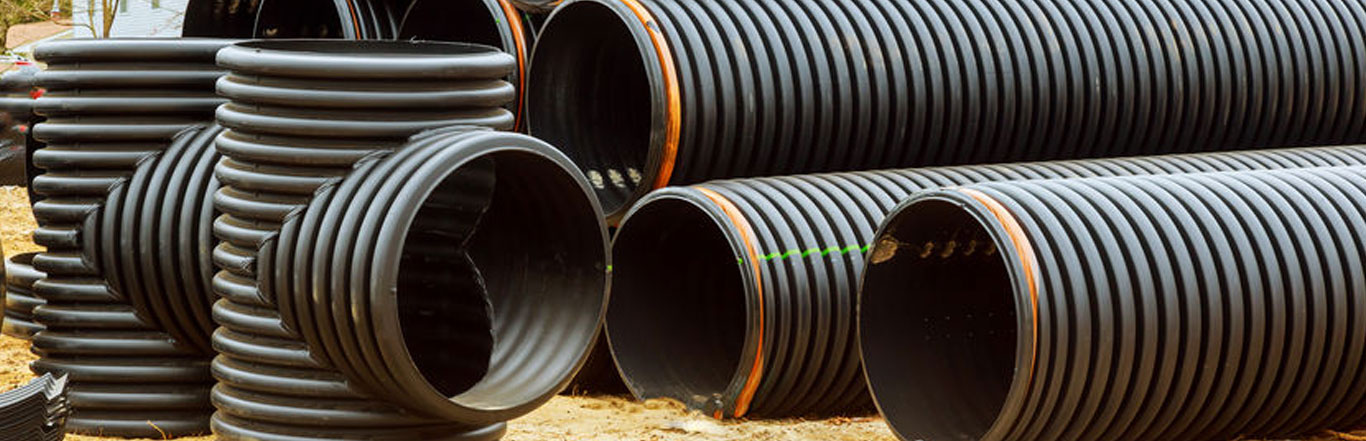 The role of septic tanks in wastewater treatment
Septic tanks play an important role in reducing water pollution and maintaining public health. Here are some of their key functions:
1. Primary wastewater treatment
By separating solids and reducing the concentration of pollutants in wastewater, septic tanks make the wastewater more suitable for disposal in landfills or secondary treatment systems.
2. Relieving the burden on central sewage treatment plants
In areas connected to a central wastewater treatment plant, the use of septic tanks can reduce the initial wastewater load and prevent overloading of the system.
3. Reducing environmental pollution
One of the most important environmental benefits of septic tanks is that they prevent wastewater from being discharged directly into the soil, rivers, or groundwater.
4. Prevent infectious diseases
Proper disposal of household wastewater can reduce the risk of spreading diseases such as cholera, diarrhea, and hepatitis.
 Types of septic tanks
Septic tanks are divided into different types depending on their material, design and capacity :
1. Concrete septic tank
-
The most common traditional type
-
strong and durable
-
Heavy and difficult to install.
-
In the long run, there is a possibility that cracks will appear.
2. Polyethylene septic tank
-
Made of durable plastic.
-
Lightweight and easy to carry.
-
Corrosion resistance
3. Fiberglass septic tank
-
Made of fiberglass and resin.
-
Extremely lightweight, durable and chemical resistant.
-
Relatively high price, but longer lifespan
4. Brick septic tank (old)
-
Use in rural areas
-
Requires a lot of maintenance
-
Shorter shelf life than synthetic types
Advantages of using a septic tank
-
Do not rely on the municipal sewage system.
-
Quick and easy installation
-
Low maintenance costs
-
High strength and long service life.
-
It can be used in areas with low population density.
-
Reducing environmental pollution
Disadvantages of septic tanks (if used incorrectly)
-
The sediment should be removed every few years.
-
If the construction is improper, leaks may occur.
-
The complete destruction of pathogens is only of limited effectiveness.
-
If it is blocked or damaged, check and repair it.
Important points when planning and installing septic tanks
For optimal performance, the following principles should be observed when planning and installing a septic tank:
-
Calculate the required capacity : based on the population size or the daily volume of wastewater generated (usually 150 to 200 liters per person per day).
-
Determine the location carefully : Stay away from wells, surface water sources and large buildings.
-
Foundation : The base of the tank must be absolutely flat and solid to avoid settlement or cracks.
-
Adequate ventilation : The resulting gases must be discharged via ventilation pipes.
-
Safety helmet : to avoid the risk of falling or gas leaks.
Proper maintenance of septic tanks
By properly maintaining your septic tank, you can extend its lifespan and improve its performance:
-
Sludge removal takes place every 3–5 years.
-
Wet wipes, diapers, excess grease and other non-biodegradable materials are not permitted.
-
Annual inspection of pipes and walls
-
No corrosive chemicals are used in wastewater treatment.
The latest innovations and developments in septic tank construction.
Due to technological advances and the increasing demand for more environmentally friendly systems, septic tanks have changed in recent years:
-
Better wastewater treatment through biofilters
-
The two-stage design of the septic tank removes most contaminants.
-
Intelligent sludge level measurement and discharge alarm monitoring system
-
Modular septic tanks with the possibility of future expansion
Septic tanks in Iran: current status and problems
Septic tanks are widely used in Iran, especially in rural areas , villages, and urban areas. However, their use is associated with several problems, such as:
-
Does not meet design standards
-
Lack of monitoring of evacuation and maintenance work
-
Illegal discharge of wastewater into nature
This reduces efficiency and harms the environment. Public education, the introduction of specific regulations, and the use of new technologies are effective solutions to these problems.
Finally
In areas without centralized sewage systems, septic tanks are one of the simplest, most effective, and most cost-effective methods of primary wastewater treatment. With proper design, installation, and maintenance, they can significantly reduce environmental and health risks.
In today’s world, where water has become a precious resource and the environment a vital asset, using a septic tank is no longer just an option but a necessity .
Frequently asked questions about septic tanks
1. How often should a septic tank be emptied?
Depending on the size and use, the sludge should be removed every 3 to 5 years.
2. Is it normal for a septic tank to have an unpleasant smell?
Generally no. If the ventilation system is installed incorrectly, unpleasant odors can occur.
3. Is it possible to reuse water from a septic tank ?
By using a secondary filter and an additional purification system, the water can be used for irrigation or non-potable purposes.
4. How much does it cost to install a septic tank?
Costs vary depending on type, performance, material and installation location, but typically start at several million fogs.