Mining is one of Iran’s most important economic sectors and plays a crucial role in the national economy. However, mining activities generate large quantities of wastewater containing chemical pollutants and heavy metals. If this wastewater is not properly treated, it can cause significant damage to the environment and water resources. The construction of mine wastewater treatment plants is an effective and cost-efficient solution for treating this wastewater and is therefore essential for environmental protection and improving water quality. This article describes the construction process, technologies, and benefits of mine wastewater treatment plants in Iran
The importance of treating wastewater generated during mining activities
Reducing Pollution
Wastewater from mining contains chemicals, heavy metals, and pollutants that can enter surface and groundwater and contaminate the environment. Proper treatment of this wastewater helps to reduce pollution and prevent damage to natural ecosystems
Public health protection
Treating mining wastewater can reduce the risk of drinking water sources being contaminated with chemicals and heavy metals. Removing these pollutants from the mining wastewater also contributes to protecting public health.
Compliance with laws and regulations
Wastewater generated during mining activities is treated in accordance with national and international standards and regulations. The construction of treatment plants that comply with these standards helps mining companies avoid illegal activities and obtain the necessary permits.
Water recycling and reuse
The treatment of wastewater from mining promotes the recycling and reuse of water resources, thereby reducing water consumption and the costs of water supply
Wastewater treatment processes for the mining industry
1. Pretreatment
Pretreatment is the first step in mineral wastewater treatment and serves to separate coarse particles and suspended solids. Filters, screens, and settling tanks are used in this step
2. Primary Treatment
Primary treatment involves the separation of suspended solids and organic matter from the wastewater using a primary settling tank. This stage reduces the pollutant concentration in the wastewater and improves the efficiency of the subsequent treatment stages
3. Second cleaning
Secondary treatment encompasses chemical and biological processes for removing organic substances and heavy metals from wastewater. These include coagulation, flocculation, sedimentation, and biological treatment processes such as activated sludge processes.
4. Final Treatment
Final wastewater treatment includes physical and chemical processes for the removal of chemicals, heavy metals, and microscopic contaminants. These processes include depth oxidation, activated carbon filtration, and membrane filtration
Understanding your home’s drainage system
Technologies used in wastewater treatment solutions in mining
1. Membrane Bioreactor (MBR)
Membrane bioreactors are an advanced wastewater treatment technology that combines biological processes with membrane filtration. This technology removes organic matter, heavy metals, and microscopic contaminants from wastewater
2. Coagulation and aggregation processes
Coagulation and agglomeration are two common chemical processes for treating mineral spring wastewater, in which suspended solids and heavy metals are separated and removed. These processes involve the use of coagulating and agglomerating agents.
3. Advanced Oxidation Process (AOP)
Advanced oxidation is a chemical process for the degradation and removal of persistent chemicals and pollutants from mineral wastewater. Oxidizing agents such as ozone and hydrogen peroxide are used in this process.
4. Filtration with activated carbon
Activated carbon filtration is an effective method for removing chemicals, heavy metals, and microscopic impurities from mineral wastewater. In this process, the impurities are absorbed and removed using activated carbon filters .
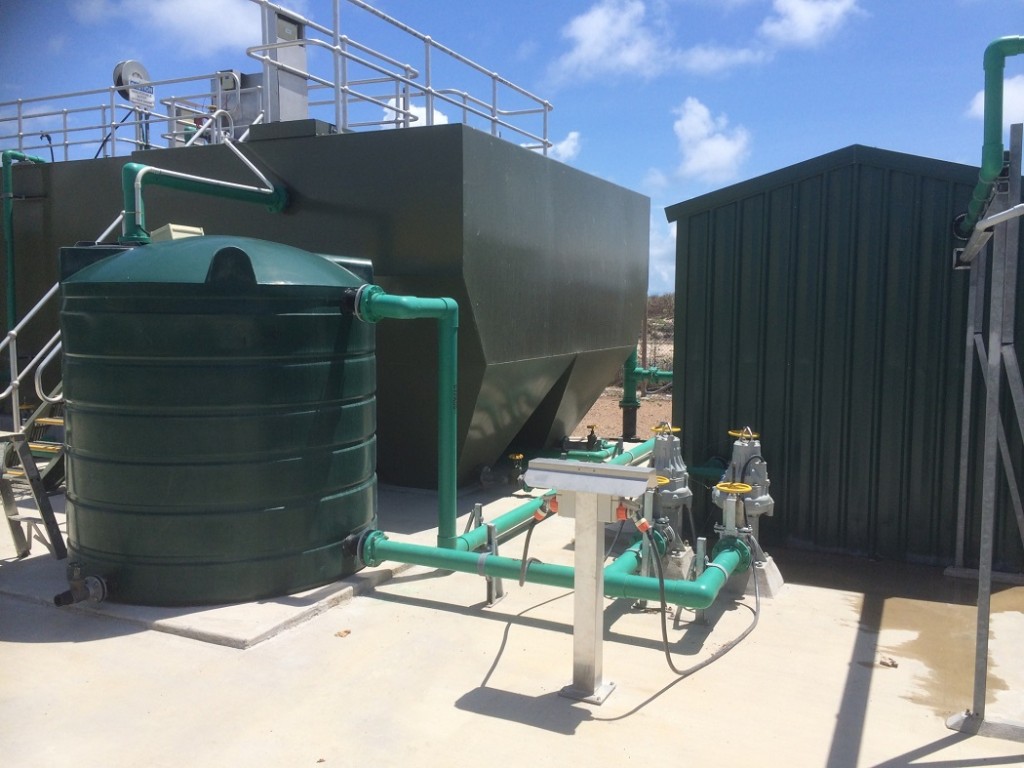
Advantages of building wastewater treatment plants for mining in Iran
Increased productivity and efficiency
The manufacture of mineral wastewater treatment plants in accordance with national and international standards helps to increase the productivity and efficiency of the treatment systems, improve the quality of the treated wastewater and reduce operating costs.
Environmental protection
Proper treatment of wastewater from mining contributes to reducing pollution and protecting water resources, thus helping to maintain healthy ecosystems and reduce negative environmental impacts
Support for national production
The construction of mineral wastewater treatment plants in Iran will boost local production and create jobs, thereby contributing to the prosperity of the economy and increasing industrial potential.
Reduction of import costs
On-site production of mineral wastewater treatment plants reduces the need for imported products, which helps to lower the overall project costs.
Adaptation to local needs
The mineral wastewater treatment plants manufactured in Iran are designed and manufactured to meet local conditions and the specific needs of Iranian mines, contributing to the improvement of the efficiency and productivity of the treatment system.
Water recycling and reuse
The treatment of wastewater from mining promotes the recycling and reuse of water resources, thereby reducing water consumption and the costs of water supply

In conclusion
Mining is one of Iran’s most important economic sectors and plays a crucial role in the national economy. However, mining activities generate large quantities of wastewater containing chemical pollutants and heavy metals, which, if not properly treated, can cause significant damage to the environment and water resources. Manufacturing mining wastewater treatment plants in Iran using advanced technologies and high-quality materials helps improve the efficiency of treatment systems, protect the environment, and boost domestic production. Furthermore, selecting and deploying Iranian wastewater treatment plants improves the quality of wastewater treatment, reduces operating costs, and protects public health and the environment